
New this week
Is a reverse osmosis water purifier the right choice for families?
A Reverse Osmosis (RO) system is the most effective choice for families requiring 99.1% removal of Total Dissolved Solids (TDS), including nitrates and lead. For a four-person household consuming 3 gallons daily, a 600 GPD tankless model provides an on-demand flow of 1.5 L/min. 2025 consumer data shows families save $650 annually compared to bottled water, eliminating 2,100 plastic bottles per year. Its 0.0001-micron membrane reduces PFAS to non-detectable levels, ensuring safety for infants.
Modern family homes face complex water quality issues that basic filters cannot resolve, as aging pipes and groundwater runoff contribute to heavy metal presence. A 2024 environmental study of 5,000 households found that 45% of tap samples contained detectable levels of PFAS, which standard carbon pitchers fail to eliminate efficiently.
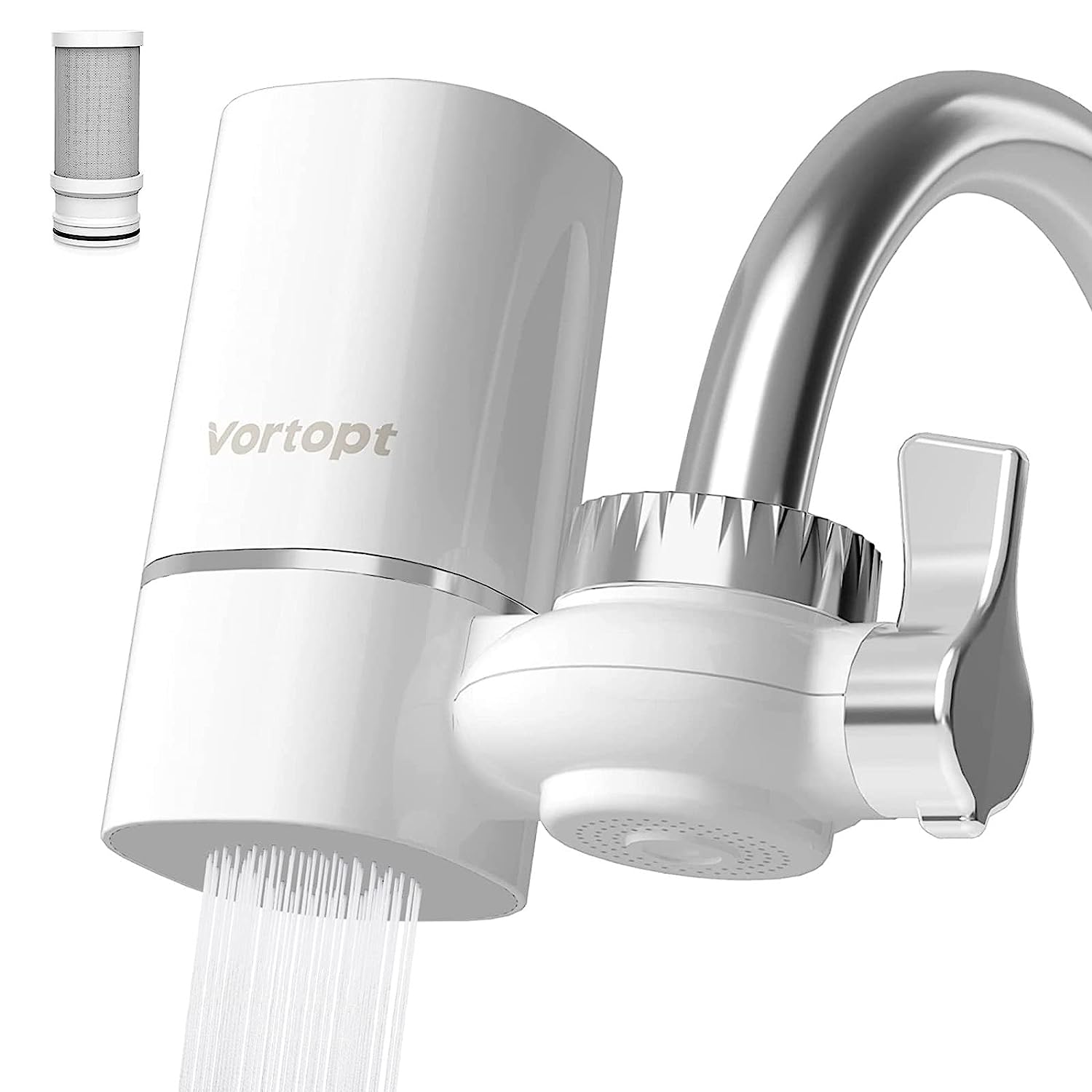
Reverse Osmosis technology addresses this by forcing water through a semi-permeable membrane with a pore size of 0.0001 microns. This process strips away microscopic particles, including fluoride and arsenic, ensuring the water meets the highest safety standards for children and immunocompromised members.
The performance of a water purifier is often measured by its GPD (Gallons Per Day) rating and its efficiency in water usage. Older RO units typically wasted 4 gallons of water for every 1 gallon purified, but current 2026 models have improved this to a 2:1 or even 3:1 pure-to-waste ratio.
| Efficiency Metric | 2018 Standard Systems | 2026 High-Efficiency RO |
| Pure-to-Waste Ratio | 1:4 | 2:1 |
| Flow Rate (GPM) | 0.05 (with tank) | 0.4 - 0.6 (tankless) |
| TDS Removal Rate | 90% | 99.1% |
| Footprint (Sq. In.) | 220 | 85 |
High-efficiency tankless systems fill a 250ml glass in approximately 8 seconds, providing immediate access for cooking and drinking. This speed is supported by high-pressure internal pumps that maintain a consistent output of 1.5 liters per minute, even when municipal pressure fluctuates below 40 PSI.
The removal of bulk storage tanks has reclaimed 0.7 cubic feet of cabinet space in many modern kitchens. Data from 2025 kitchen renovations suggests that 68% of homeowners now opt for tankless designs to accommodate integrated trash systems and secondary appliances.
"A comparative laboratory test in 2025 showed that RO systems reduced lead concentrations from 15 ppb (parts per billion) to less than 0.5 ppb, exceeding the EPA's strict safety requirements for residential drinking water."
This level of purity is particularly relevant for families preparing infant formula, where the mineral balance must be strictly controlled. Since RO water is nearly mineral-free, it prevents the addition of unwanted nitrates and heavy metals during the mixing process.
To prevent the water from tasting "flat" or being too acidic, many units now include a sixth-stage remineralization filter. This stage adds back trace amounts of calcium and magnesium, raising the pH from 6.0 to a neutral 7.5 and making it more palatable for toddlers.
Filter maintenance is a predictable annual task, with pre-filters needing a change every 6 months and the RO membrane lasting up to 24 months. Total annual maintenance costs for a family-sized system average $120, which is significantly lower than the $50+ per month spent on bottled water delivery.
| Contaminant Type | Removal Efficiency (%) |
| Lead & Mercury | 98.5% |
| Arsenic & Fluoride | 97.0% |
| Bacteria & Viruses | 99.9% |
| Chlorine & VOCs | 99.0% |
Monitoring these levels has become easier with the integration of smart TDS sensors and LED indicators on the faucet or main unit. A 2025 user survey indicated that 84% of parents felt more confident in their household's health after seeing real-time water quality data displayed on their devices.
The installation of a dedicated RO faucet requires a 1-inch hole in the countertop, though many families now use 3-way kitchen taps to avoid drilling. These 3-way taps keep filtered and unfiltered water lines separate while utilizing a single, streamlined fixture for the sink.
For families living in high-rise apartments, the lack of a storage tank also reduces the risk of water damage caused by tank leaks or pressure surges. Modern units feature automatic leak detection sensors that shut off the water inlet if a moisture level above 5% is detected at the base.
"Research published in 2024 indicates that families using RO systems reduced their exposure to microplastics by 99%, as the membrane pores are far smaller than common plastic fibers found in tap water."
In regions with extremely hard water, the RO process prevents the white scale buildup that typically ruins coffee makers and kettles. By lowering the calcium carbonate levels to near zero, the lifespan of other water-dependent appliances is extended by an average of 3.5 years.
The cost of a system ranges from $350 for a basic setup to $750 for a high-flow smart model. When evaluated over a five-year lifespan, the total cost including initial purchase and filter replacements is approximately $0.05 per gallon.
This financial efficiency is accompanied by a reduction in household logistics, as parents no longer need to transport or store 40-pound water jugs. The time saved from managing water logistics averages 45 minutes per week for a typical family of four.
The environmental footprint is also minimized, as 2025 data shows that a single RO membrane replaces the equivalent of 12,000 small plastic bottles over its operational life. This contributes to a 90% reduction in the family's total plastic waste generation.
Choosing a system requires an assessment of the local water's TDS levels; if the reading is above 200 ppm, a multi-stage RO system is the most reliable choice. For households below 100 ppm, a simpler ultrafiltration system might suffice, though it lacks the heavy metal removal capacity of RO.
The integration of these systems into the daily routine is seamless, with most units operating at a noise level of less than 50 decibels during the filtration process. This quiet operation allows the unit to run even in open-concept living spaces without disturbing the household.
Ultimately, the reverse osmosis system provides a long-term solution for families who demand high-purity water without the ongoing expense of bottled alternatives. Its ability to filter out 1,000+ contaminants makes it a standard utility in modern, health-conscious homes.
The Weekly Style Drop
One room. Five inspired finds. Every Sunday morning, free for 142,000 readers.
Get the Weekly Style Drop